
According to two high-ranking government officials speaking to CBC News, the Liberal government’s significant legislation for the fall is anticipated to reinforce a contentious part of the Labour Code.
The Carney administration intends to modify the Canada Labour Code to clearly permit the responsible minister to instruct the Canada Industrial Labour Relations Board (CIRB) to halt work stoppages and mandate arbitration.
Amendments to Section 107 of the Labour Code are expected to feature in the upcoming bill, which will be named the Building Canada Strong Act and is scheduled for introduction next week.
“We will present very impactful economic legislation as a key focus of this session,” stated Government House leader Steve MacKinnon on Friday, just before a two-day Liberal caucus retreat.
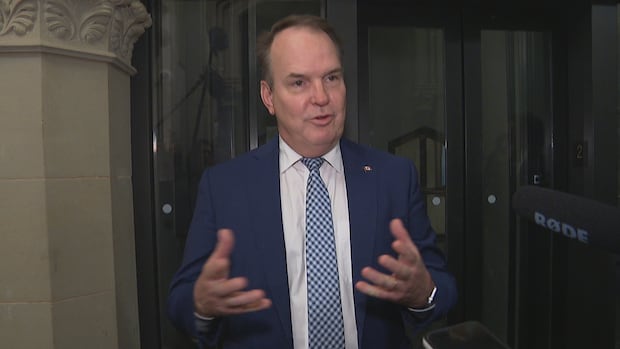
Government House leader Steven MacKinnon indicates that MPs will prioritize a bill aimed at ‘protecting jobs’ and ‘fostering investment in our communities’ upon Parliament’s return on Monday.
The proposed modifications to Section 107 will formalize a power that the government already possesses and utilizes: the capacity to terminate a strike and assume arbitration of a labour conflict in federally regulated sectors by directing such matters to the CIRB. Nevertheless, sources suggest that codifying this authority could bolster private sector confidence as Ottawa strives to affirm that Canada remains a secure environment for investment.
Sources indicate that attention is directed toward “high-risk disruptive labour issues” in sectors critical to Canada’s exports, such as ports and railways.
Two senior government officials provided insights into the legislation, which is expected to cover topics such as trade corridors, collective bargaining, and initiatives to expedite federal project approvals. CBC News has chosen not to disclose the names of these sources as they were not authorized to speak publicly.
This legal provision, established in 1984, was seldom utilized until recently when the Liberals, led by Prime Minister Justin Trudeau, invoked it to resolve disputes involving the Teamsters union and Canada’s largest railway companies, as well as other cases, including the reinstatement of employees at ports in Montreal and Vancouver.
Jobs and Families Minister Patty Hajdu invoked Section 107 to mandate Air Canada flight attendants to return to work following their strike in August 2025.
The federal Liberals have increasingly resorted to this previously obscure segment of the legislation to compel striking workers back to their jobs.
-
Unions warn Carney government considering sweeping changes to labour law
-
Heavy-handed use of Labour Code painted Liberals in a corner: unions
However, unions argue that this aggressive application of the law compromises their negotiating power and infringes on workers’ rights. This approach has been contested in Federal Court.
The forthcoming measures will also authorize the labour minister to appoint a “special mediator” who will provide a report in cases where unions in federally regulated industries are unable to reach a consensus with employers.
Sources mentioned that invoking Section 107 will be regarded as a “last resort” following the reports from the special mediator.
However, any initiative to enhance this segment of the Labour Code is likely to provoke opposition from unions.
During an appearance on CBC’s Power and Politics on Friday, Hajdu asserted that the upcoming legislation will not include provisions that restrict unions’ right to strike and will concentrate on a limited number of cases that result in “labour disruption.”
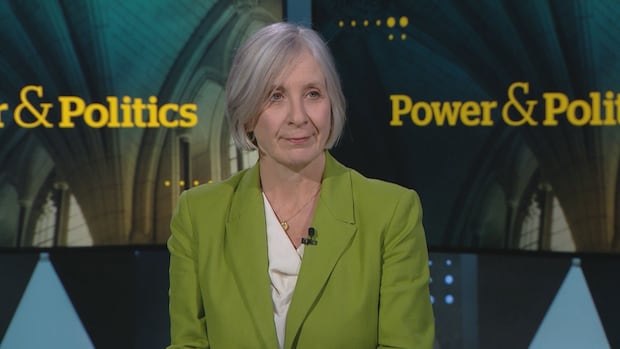
As the federal government gears up for the fall parliamentary session, Jobs Minister Patty Hajdu emphasizes that Ottawa is working on amendments to the federal Labour Code due to the increasingly contentious relationships between unions and employers. She assures that these changes will not infringe upon the right to strike.
“However, certain relationships between employers and unions have become markedly tense, and the instruments available within the Canada Labour Code are insufficient to facilitate agreements without a considerable risk of labour disruption,” Hajdu stated.
Nevertheless, Hajdu noted that the tools within the Labour Code for mediating disputes must be updated, strengthened, and equipped with the capacity to “apply pressure where it is needed, which is at the negotiation table between the parties.”

